⚡ TL;DR
- • Technical foundation: URLs, structure, schema markup, and site architecture
- • Content optimization: Titles, descriptions, headings, and keyword strategy
- • Performance focus: Core Web Vitals, page speed, and mobile optimization
- • Local visibility: Google My Business, local keywords, and citations
Your Portfolio Is Invisible
You could have the best portfolio in the world — but if recruiters can't find it on Google, it doesn't matter. Great work deserves to be visible — make sure your mobile design is solid too, since most recruiters check on their phones to the people who need to see it.
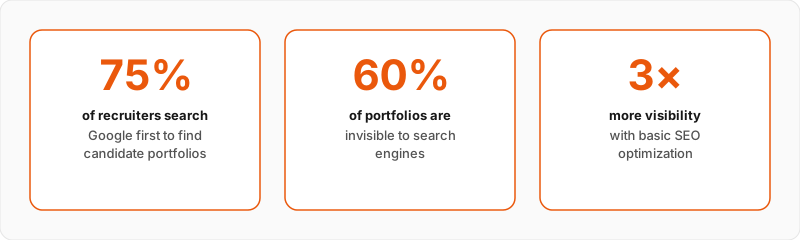
Source: Recruiter behavior research showing search-first hiring patterns
Why Most Designer Portfolios Fail at SEO
- •Generic page titles like "Portfolio" or "My Work"
- •No meta descriptions or keyword strategy
- •Slow loading times (Google penalizes slow sites)
- •Missing local SEO for freelance opportunities
What Good SEO Gets You
- •Recruiters find you when searching for designers
- •Higher search rankings for your name and skills
- •More organic traffic from potential clients
- •Professional credibility and trust signals
Technical Fixes That Matter
These technical SEO elements are the foundation. Get them wrong, and nothing else matters.
URL Structure
Use clean, descriptive URLs (e.g., /portfolio/ux-design-project)
Include target keywords in URLs when possible
Use hyphens instead of underscores in URLs
Keep URLs under 60 characters
Avoid unnecessary parameters and tracking codes
Site Structure
Create logical site hierarchy (Home > Portfolio > Project)
Use breadcrumb navigation
Implement internal linking between related projects
Create XML sitemap and submit to Google Search Console
Set up proper 404 error pages
Schema Markup
Add Person schema for designer information
Implement Portfolio schema for project pages
Use Organization schema for business information
Add BreadcrumbList schema for navigation
Include CreativeWork schema for case studies
Content That Gets Found
Your content needs to speak Google's language. These optimizations help search engines understand and rank your work.
Page Titles
Include primary keyword in title (50-60 characters)
Make titles unique for each page
Use descriptive, compelling titles
Include location for local SEO (e.g., 'UX Designer in San Francisco')
Avoid keyword stuffing
Meta Descriptions
Write compelling descriptions (150-160 characters)
Include call-to-action in descriptions
Use primary keyword naturally
Make each description unique
Include location and specialization
Heading Structure
Use H1 tag for main page title
Structure content with H2, H3, H4 tags
Include keywords in headings naturally — our typography guide covers heading hierarchy
Maintain logical heading hierarchy
Use descriptive, keyword-rich headings
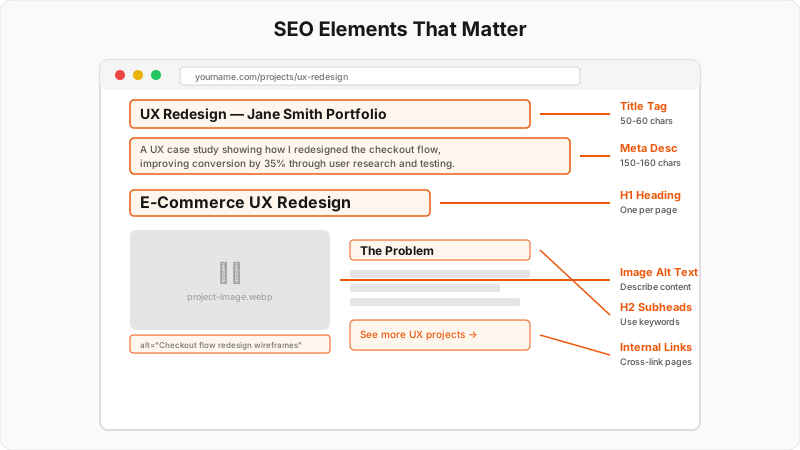
Real examples of SEO-optimized portfolio content and keyword placement
Speed Kills Everything
Google uses page speed as a ranking factor. Slow portfolios get penalized in search results. Our image optimization guide covers the biggest performance wins.
Core Web Vitals
Achieve LCP (Largest Contentful Paint) under 2.5s
Keep FID (First Input Delay) under 100ms
Maintain CLS (Cumulative Layout Shift) under 0.1
Optimize images for web (WebP format preferred)
Minimize render-blocking resources
Page Speed
Compress images without quality loss
Enable browser caching
Minify CSS, JavaScript, and HTML
Use a Content Delivery Network (CDN)
Optimize font loading and display
Mobile Performance
Ensure mobile-first responsive design
Test on actual mobile devices
Optimize for touch interactions
Use appropriate font sizes for mobile
Minimize mobile page load time
Tools That Actually Help
These tools will help you audit, optimize, and monitor your portfolio's SEO performance.
Google Search Console
FreeMonitor search performance and technical issues
Key Features:
Best for: Essential for all portfolios
Google Analytics 4
FreeTrack visitor behavior and conversions
Key Features:
Best for: Understanding visitor behavior
Screaming Frog SEO Spider
Free/PaidTechnical SEO auditing and analysis
Key Features:
Best for: Technical SEO audits
Ahrefs
PaidComprehensive SEO analysis and keyword research
Key Features:
Best for: Advanced SEO strategy
SEMrush
PaidAll-in-one SEO and marketing platform
Key Features:
Best for: Comprehensive SEO management
Free vs Paid SEO Tools
Start with Free Tools
Essential for monitoring search performance
Test Core Web Vitals and performance
Technical SEO audit (free version)
Upgrade When Ready
Advanced keyword research and backlink analysis
Comprehensive SEO management platform
Advanced technical SEO auditing
Keep Improving Your Portfolio
Everything You Need to Know
Quick answers to help you get started